

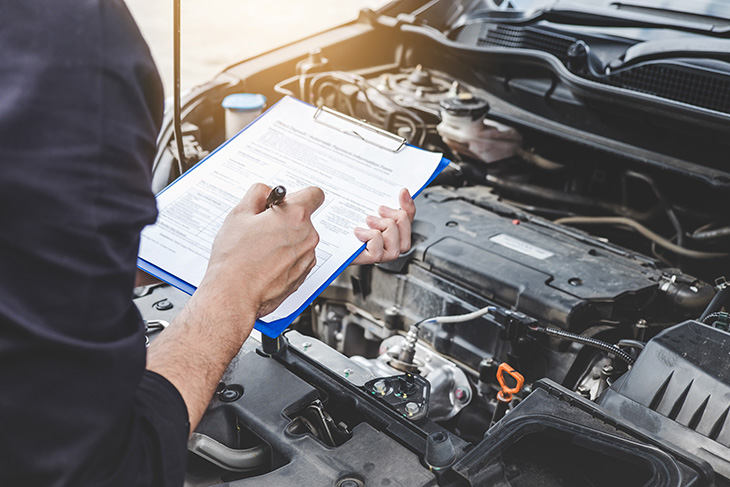
Car ownership is not limited to driving convenience. It also involves consistent responsibility. Routine maintenance plays a decisive role in keeping a vehicle reliable, efficient, and durable over time. Vehicles that receive proper care typically last longer, perform better, and retain stronger resale value than neglected ones.
This article explains how structured maintenance habits directly extend vehicle lifespan and help owners avoid unnecessary repair expenses.
Understanding Vehicle Lifespan and Maintenance Connection
A vehicle consists of interconnected mechanical and electronic systems that operate under stress every day. Without periodic servicing, these systems gradually deteriorate. Preventive maintenance slows this wear process and ensures optimal functioning.
Key benefits include
- Reduced component failure risks
- Improved fuel efficiency
- Better driving safety
- Lower long term repair costs
- Higher resale value
Regular maintenance ensures that small problems are corrected before they become major mechanical failures.
Engine Care Extends Vehicle Life Significantly
The engine is the most critical part of any vehicle. Neglecting engine maintenance shortens vehicle lifespan rapidly.
Important engine care practices include
Timely Engine Oil Replacement
Engine oil lubricates moving components and prevents overheating. Old oil loses viscosity and increases friction inside the engine.
Replacing engine oil regularly helps
- Reduce internal wear
- Improve engine efficiency
- Maintain smooth performance
- Prevent overheating damage
Air Filter Cleaning and Replacement
A clogged air filter restricts airflow into the engine, reducing combustion efficiency and increasing fuel consumption.
Clean air filters support
- Better acceleration
- Lower emissions
- Improved fuel economy
Coolant Level Monitoring
Engine coolant maintains temperature stability. Low coolant levels may cause overheating and permanent engine damage.
Routine coolant checks help protect engine components from thermal stress.
Tire Maintenance Supports Structural Stability
Tires influence both safety and vehicle longevity. Poor tire maintenance increases strain on suspension and steering systems.
Essential tire maintenance steps include
- Maintaining correct air pressure
- Rotating tires periodically
- Checking alignment regularly
- Inspecting tread wear patterns
Balanced tires improve fuel efficiency and reduce stress on drivetrain components.
Brake System Maintenance Prevents Major Failures
The braking system directly affects safety and indirectly protects other mechanical systems.
Routine brake servicing ensures
- Reliable stopping performance
- Reduced rotor damage
- Improved tire lifespan
- Lower repair costs over time
Ignoring worn brake pads can damage brake discs and increase maintenance expenses significantly.
Battery Health Maintains Electrical Reliability
Modern vehicles depend heavily on electronic systems. A weak battery affects ignition, lighting, infotainment systems, and safety sensors.
Battery maintenance includes
- Cleaning terminals regularly
- Checking voltage levels
- Ensuring proper charging cycles
- Replacing aging batteries on time
A healthy battery prevents unexpected breakdowns and improves vehicle dependability.
Fluid Checks Protect Critical Components
Vehicles rely on multiple fluids beyond engine oil. Each fluid supports a specific mechanical function.
Important fluids to monitor include
- Transmission fluid
- Brake fluid
- Power steering fluid
- Coolant
- Windshield washer fluid
Maintaining proper fluid levels reduces friction, overheating, and mechanical failure risks.
Suspension and Alignment Preserve Driving Comfort
Suspension components absorb road shocks and maintain vehicle stability. Damaged suspension parts create uneven tire wear and steering instability.
Routine inspections help detect
- Worn shock absorbers
- Loose joints
- Misalignment issues
- Steering vibration problems
Maintaining suspension integrity protects the vehicle frame and improves ride quality.
Regular Servicing Improves Fuel Efficiency
Vehicles that receive scheduled servicing consume less fuel compared to poorly maintained ones.
Maintenance improves efficiency through
- Clean fuel injection systems
- Proper tire pressure
- Optimized engine performance
- Balanced wheel alignment
Efficient fuel usage reduces operating costs over the vehicle’s lifetime.
Maintenance Helps Preserve Resale Value
A well maintained vehicle attracts higher resale value because buyers prefer reliable automobiles with documented service history.
Service records indicate
- Responsible ownership
- Reduced accident risk
- Consistent mechanical condition
- Longer remaining usability
Maintaining records strengthens buyer confidence during resale negotiations.
Seasonal Maintenance Prevents Unexpected Damage
Environmental conditions affect vehicle performance differently throughout the year.
Seasonal checks should include
- Cooling system inspection before summer
- Battery testing before winter travel
- Tire condition monitoring during monsoon
- Wiper blade replacement for visibility
Preparing vehicles for seasonal variations protects key systems from premature wear.
Frequently Asked Questions
How often should a car undergo routine maintenance
Most vehicles benefit from basic inspections every five thousand to ten thousand kilometers depending on driving conditions and manufacturer recommendations.
Does skipping one service affect vehicle lifespan
Skipping occasional servicing may not cause immediate damage, but repeated neglect increases long term mechanical risks significantly.
Can regular maintenance reduce breakdown chances
Yes. Preventive inspections detect early warning signs before they become serious failures, reducing unexpected roadside breakdowns.
Is maintenance necessary for new vehicles
Even new vehicles require periodic servicing to maintain warranty validity and ensure proper system calibration.
Does driving style influence maintenance needs
Aggressive driving increases wear on brakes, tires, and engine components, making frequent servicing more important.
Are authorized service centers always required
Authorized centers are recommended during warranty periods, but experienced independent workshops can handle routine maintenance afterward.
What maintenance record documents should owners keep
Owners should maintain service invoices, oil change records, battery replacement history, and inspection reports for future reference.