

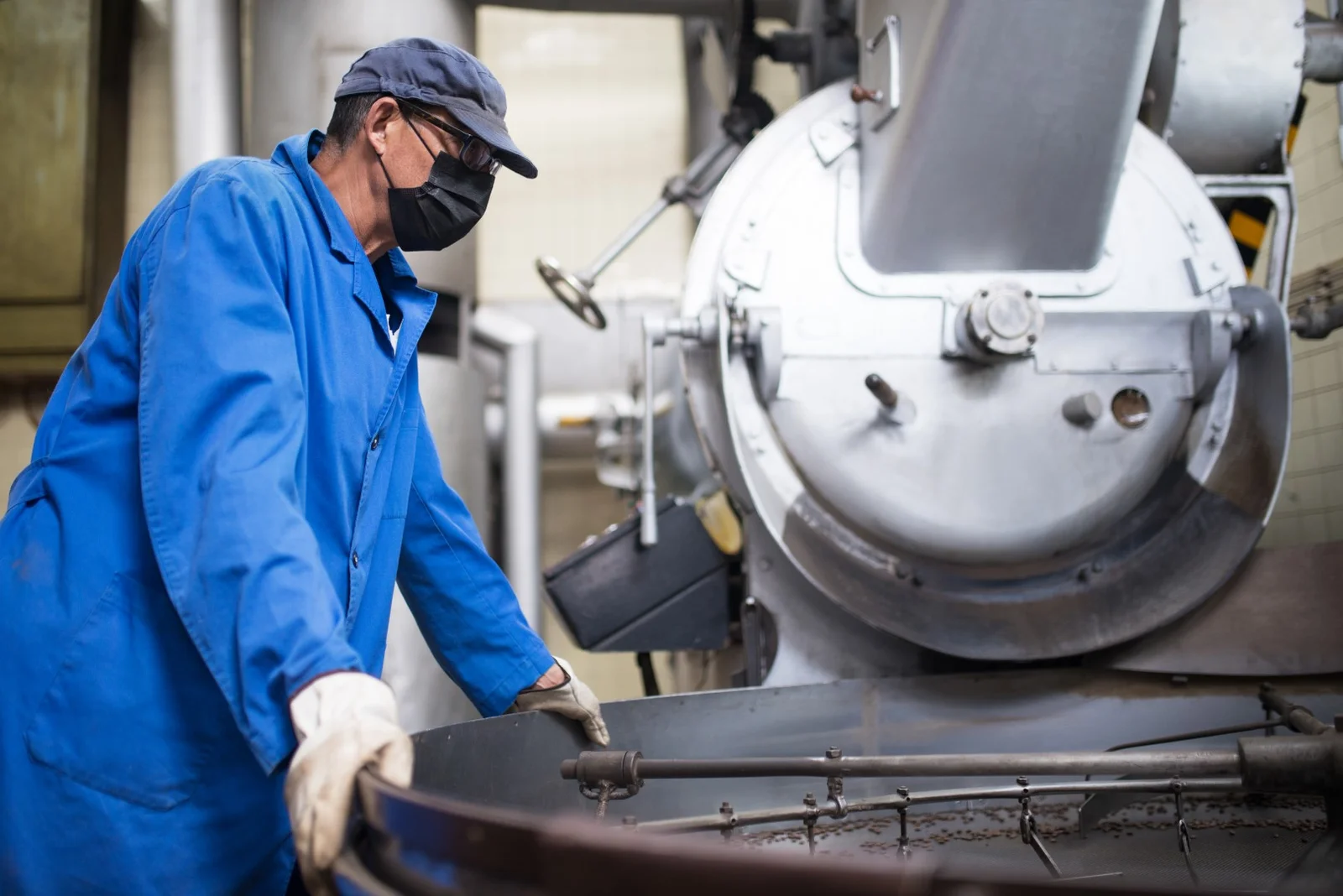
Unplanned downtime is one of the most costly challenges facing manufacturing and process facilities today. Whether it occurs in a chemical plant, power generation station, petroleum refinery, or food processing facility, unexpected equipment failure disrupts production schedules, strains maintenance teams, and erodes profitability. One of the most overlooked contributors to these interruptions is the improper specification of industrial process equipment at the outset of a project. When engineers take the time to match equipment precisely to process requirements, the result is fewer failures, longer service life, and more predictable operations.
This article examines why proper specification matters, what factors are most frequently overlooked, and how a more disciplined approach to equipment selection can meaningfully reduce unplanned downtime across industrial operations.
The Real Cost of Downtime in Process Industries
Before addressing the role of equipment specification, it helps to understand the full scope of what unplanned downtime actually costs. Direct costs include lost production output, raw materials wasted during shutdown, labor for emergency repairs, and expedited replacement parts. Indirect costs, often harder to quantify, include customer delivery delays, contract penalties, regulatory scrutiny, and long-term damage to plant reliability metrics.
Industry analysts estimate that unplanned downtime costs industrial manufacturers hundreds of billions of dollars annually when aggregated across sectors. While maintenance practices and operator training are frequently cited as improvement areas, the root cause often traces back further, to decisions made during the equipment specification and procurement phase.
Why Specification Errors Lead to Premature Failure
Equipment that performs reliably in one application may fail quickly in another if the operating conditions differ in even subtle ways. Process variables such as temperature, pressure, flow rate, fluid composition, and back pressure all influence how equipment performs over time.
Consider a steam jet ejector system. These units are designed to specific suction pressure ranges and operating steam pressures. If the minimum steam pressure available at the installation site drops below the design pressure, vacuum performance will degrade and system stability will be compromised. Similarly, if back pressure exceeds the design threshold, the ejector will fail to maintain the required vacuum, forcing either system shutdown or costly modifications.
The same principle applies across virtually every category of process equipment. A desuperheater sized for steady-flow conditions may struggle under variable steam loads if the turndown ratio of the selected unit is insufficient. A valve specified for one set of pressure and temperature conditions may wear prematurely when actual operating conditions differ from what was communicated during the design phase.
These are not failures of manufacturing quality. They are failures of specification.
Key Factors Engineers Must Address During Specification
Reducing downtime through proper specification requires a thorough evaluation of operating conditions before any equipment is selected. The following factors are consistently critical across industrial process equipment categories.
Process fluid characteristics. The composition of the fluid being handled, whether it is steam, gas, a corrosive acid, a slurry, or a mixture of condensable and non-condensable vapors, determines which materials of construction are appropriate. Equipment manufactured from ductile iron or carbon steel may provide years of reliable service in a clean steam application but fail rapidly when exposed to acid vapors or halogen compounds. Corrosion-resistant materials including Haveg, graphite, Tefzel, Monel, Hastelloy, and titanium exist for exactly these applications. Specifying the wrong material is one of the most common and avoidable causes of early equipment failure.
Operating pressure and temperature ranges. Both minimum and maximum values matter. Equipment must be capable of handling the full range of conditions it will encounter in service, not just nominal operating conditions. Pressure surges, thermal cycling, and process upsets are realities in most industrial environments. Equipment that is sized only for steady-state operation may be poorly suited for the actual demands it faces.
Flow variability and turndown requirements. Many process applications involve significant variation in flow rates across operating cycles. Equipment with inadequate turndown capacity will either underperform at low flows or be overtaxed at high flows, in either case contributing to accelerated wear and increased maintenance frequency. Selecting equipment with a turndown ratio matched to the actual operating envelope is essential.
Back pressure and discharge conditions. For equipment such as ejectors and vacuum systems, back pressure at the discharge point directly affects performance. Standard units are typically designed for operation against back pressures not exceeding a defined threshold. If site conditions will impose higher back pressures, the equipment must be specifically engineered for those conditions. Overlooking this detail is a frequent source of performance shortfalls and unplanned maintenance.
Installation environment and support requirements. Physical constraints at the installation site, including available head room, proximity to condensate drainage points, and whether a barometric or low-level condenser arrangement is feasible, all affect which equipment configurations are viable. Equipment that is technically well-specified for process conditions but impractical to install correctly will not deliver the reliability it was designed to provide.
The Value of Multi-Stage and Redundant System Design
For applications where continuous operation is critical, system architecture matters as much as individual component specification. Multi-stage vacuum systems, for example, can be configured with twin ejectors at each stage. This arrangement allows one ejector to remain in service while the other is taken offline for inspection or maintenance, without breaking vacuum in the process line.
This design philosophy reflects a broader principle in reliability engineering: building redundancy into systems where unplanned downtime carries the highest cost. It requires more upfront engineering investment but pays dividends in operational availability over the life of the system.
Similarly, surface condensers offer an advantage over direct-contact condensers in applications where process contaminants cannot be discharged to the drain. While they carry a higher initial cost, they prevent contamination of condensate and reduce the risk of environmental compliance issues that can force unplanned shutdowns.
The Role of Factory Performance Testing
One of the most effective tools for preventing field failures is factory performance testing before equipment ships. When ejectors, desuperheaters, and other process equipment are assembled and tested under simulated operating conditions at the manufacturer’s facility, any deviations from design performance can be identified and corrected before installation.
Performance testing generates certified test data that serves multiple purposes. It confirms that the equipment will perform to specification under the conditions for which it was designed. It provides a baseline reference for field troubleshooting if performance issues arise later in service. And it gives operations and maintenance teams documented performance curves that can be used to verify whether a system is operating within normal parameters or beginning to degrade.
This step is especially valuable for custom-engineered or complex multi-stage systems where the interaction between components must be validated before the system goes live in the field.
Providing Complete Data to Your Equipment Manufacturer
Accurate specification is only possible when the equipment manufacturer receives complete and accurate process data. For steam jet vacuum systems, this includes the required suction pressure, the fluid to be handled and its molecular weight, the minimum available steam pressure, the maximum available cooling water temperature, the normal barometer reading at the installation location, and the desired condenser type and installation arrangement.
When this data is incomplete or estimated rather than measured, the manufacturer must make assumptions. Those assumptions introduce risk. The more complete and accurate the process data provided, the more closely the equipment can be engineered to match actual operating conditions, and the more reliably it will perform over its service life.
Specification as a Maintenance Strategy
The maintenance and reliability community has long embraced the principle of eliminating failure modes at the design stage rather than managing them reactively in the field. Proper equipment specification is one of the highest-leverage applications of that principle.
Equipment that is well-matched to its application requires less frequent intervention, maintains performance closer to design conditions throughout its service life, and is more predictable in how and when it will eventually require attention. That predictability is the foundation of effective planned maintenance programs, and it stands in sharp contrast to the reactive scramble that characterizes facilities where equipment specification was treated as a secondary concern.
For process engineers, plant managers, and reliability professionals, the message is clear. Investing time and rigor in the specification process is not a bureaucratic formality. It is one of the most direct and cost-effective actions available to reduce unplanned downtime and improve the overall reliability of industrial operations.
Conclusion
Unplanned downtime is rarely the result of a single failure. It is typically the outcome of a chain of decisions, and the specification phase is where many of those decisions are made. By carefully evaluating process fluid characteristics, operating conditions, flow variability, and installation constraints before selecting equipment, engineers can significantly reduce the risk of premature failure and the costly interruptions that follow.
When industrial process equipment is properly specified for the application it will serve, designed and tested to confirmed performance standards, and installed in a configuration suited to site conditions, the result is systems that operate reliably, maintain performance over time, and allow facilities to plan maintenance rather than react to emergencies.
That is the goal every process engineer and operations leader is working toward, and proper specification is one of the most powerful tools available to reach it.