

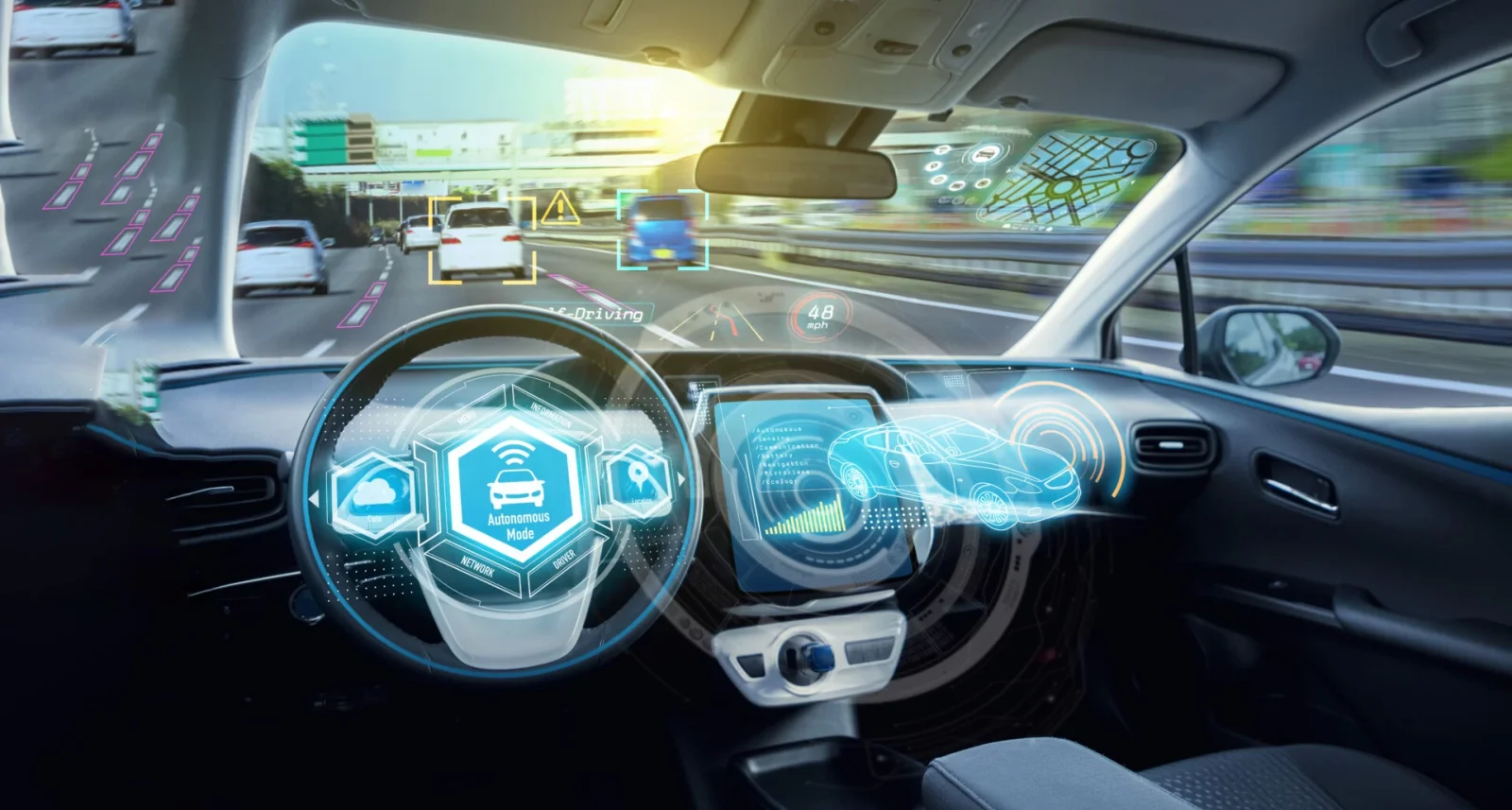
Autonomous vehicles are reshaping expectations around mobility, safety, and efficiency. Instead of relying entirely on human drivers, these vehicles use advanced sensors, artificial intelligence, and real time data processing to navigate roads independently. As the technology matures, it is expected to influence how people commute, how goods move, and how cities plan transportation systems.
Understanding the long term impact of autonomous vehicles helps drivers, policymakers, and businesses prepare for a major shift in the automotive landscape.
What Autonomous Vehicles Are and How They Work
Autonomous vehicles are designed to operate with minimal or no human intervention. They rely on integrated systems that interpret surroundings and make driving decisions.
Key technologies include
- Radar for distance measurement
- Cameras for lane recognition
- LiDAR sensors for environment mapping
- Artificial intelligence for decision making
- GPS systems for route planning
Together, these technologies allow vehicles to detect obstacles, follow traffic rules, and respond to changing road conditions.
Improved Road Safety and Reduced Human Error
Human error is responsible for a large share of road accidents worldwide. Autonomous driving systems are designed to monitor surroundings continuously and react faster than human drivers.
Safety improvements may include
- Reduced collision rates
- Faster reaction to hazards
- Consistent adherence to traffic rules
- Better monitoring of blind spots
As adoption increases, these improvements could significantly lower accident related injuries and fatalities.
Greater Accessibility for All Travelers
Autonomous vehicles may expand transportation access for individuals who cannot drive independently.
This includes
- Elderly passengers
- People with physical disabilities
- Individuals without driving licenses
- Long distance commuters needing assistance
With driverless mobility options, transportation becomes more inclusive and flexible for a wider population.
Reduced Traffic Congestion in Urban Areas
Autonomous vehicles can communicate with infrastructure and nearby vehicles to optimize traffic movement. Coordinated driving patterns help reduce unnecessary braking and lane changes.
Possible benefits include
- Smoother traffic flow
- Shorter travel times
- Reduced intersection delays
- Lower fuel consumption in mixed traffic environments
Smart traffic coordination could transform how cities manage growing vehicle populations.
Transformation of Public Transportation Systems
Public transport networks may become more efficient through autonomous shuttle services and route optimization.
Potential developments include
- Driverless buses operating on fixed routes
- On demand shared mobility services
- Flexible scheduling based on passenger demand
- Lower operating costs for transit authorities
These improvements could increase reliability and encourage greater public transport usage.
Changes in Logistics and Freight Movement
Autonomous vehicles are expected to influence the logistics sector significantly. Driverless trucks may operate longer hours with fewer interruptions, improving delivery efficiency.
Industry advantages may include
- Faster supply chain movement
- Reduced operational costs
- Improved route optimization
- Increased delivery predictability
Such changes could reshape both local and long distance freight transportation.
Environmental Benefits Through Optimized Driving
Autonomous vehicles can improve fuel efficiency through smoother acceleration patterns and intelligent route planning.
Environmental advantages may include
- Reduced fuel wastage
- Lower traffic congestion emissions
- Better integration with electric vehicle systems
- Efficient traffic signal coordination
These improvements support broader sustainability goals in urban transportation planning.
Impact on Urban Planning and Infrastructure Design
Cities may redesign infrastructure to support autonomous mobility systems. Road layouts, parking areas, and traffic control mechanisms could evolve alongside new technology.
Urban planning adjustments may involve
- Dedicated autonomous vehicle lanes
- Smart traffic signal integration
- Reduced parking space requirements
- Expanded pedestrian friendly zones
Such changes could reshape how urban environments function over time.
Economic and Employment Considerations
Autonomous vehicles will influence several industries connected to transportation. While new opportunities may emerge, certain traditional roles could change.
Possible impacts include
- Growth in automotive technology jobs
- Increased demand for software specialists
- Expansion of smart mobility services
- Transition in professional driving occupations
Preparing for workforce adaptation will be essential during this transformation period.
Challenges Slowing Autonomous Vehicle Adoption
Despite promising progress, several barriers remain before widespread deployment becomes practical.
Major challenges include
- High technology development costs
- Regulatory approval requirements
- Cybersecurity concerns
- Infrastructure readiness limitations
- Public trust in automated systems
Addressing these factors will determine how quickly autonomous mobility becomes part of everyday transportation.
Frequently Asked Questions
How soon will autonomous vehicles become common on public roads
Limited autonomous features already exist today, but fully driverless vehicles may take several years before large scale adoption becomes practical.
Are autonomous vehicles safer than human driven cars
They have the potential to reduce accidents caused by human mistakes, although safety performance depends on technology reliability and regulation standards.
Will autonomous vehicles replace traditional driving completely
Traditional driving is expected to continue alongside automated mobility for many years as technology adoption progresses gradually.
Can autonomous vehicles operate in all weather conditions
Severe weather conditions such as heavy rain or fog can still affect sensor accuracy, which remains a technical challenge under development.
Will insurance policies change with autonomous vehicles
Insurance structures may evolve to include manufacturers, software providers, and system operators as responsibility shifts from drivers.
How will autonomous vehicles affect fuel consumption patterns
Optimized driving behavior and route planning may reduce fuel usage and support integration with electric mobility systems.
Are autonomous vehicles already available for personal purchase
Some vehicles offer advanced driver assistance features today, but fully autonomous consumer vehicles are still under development in most markets.