

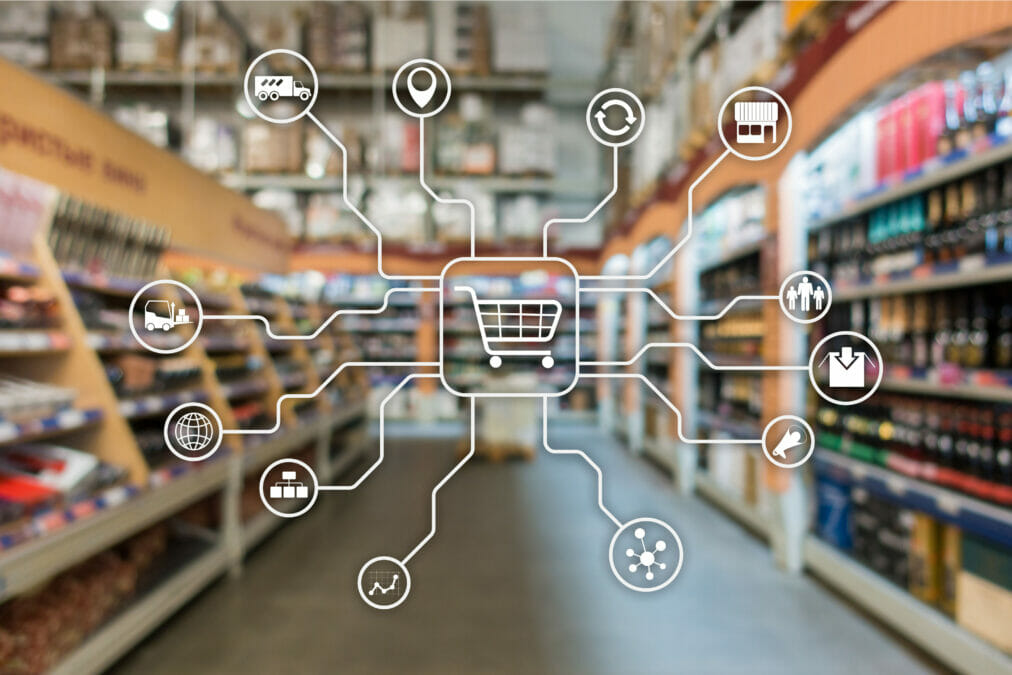
Retail industries worldwide are transforming rapidly as consumer expectations continue to evolve. Modern shoppers expect seamless experiences across physical stores, mobile platforms, websites, and social media channels. To meet these expectations, retailers are adopting omnichannel strategies that integrate multiple sales and communication platforms into a unified customer experience.
This shift allows businesses to remain competitive while improving customer engagement, operational efficiency, and long term brand loyalty.
Understanding Omnichannel Retail Strategies
Omnichannel retail refers to the integration of multiple customer interaction channels into a coordinated shopping experience. Instead of treating online and offline platforms separately, businesses connect them to support consistent communication and service delivery.
Key omnichannel touchpoints include
- Physical retail stores
- Ecommerce websites
- Mobile shopping applications
- Social commerce platforms
- Customer support channels
These connected systems help retailers provide consistent service regardless of how customers choose to shop.
Why Modern Consumers Expect Omnichannel Experiences
Consumer behavior has changed significantly due to digital adoption and increased access to information. Shoppers now move between channels before making purchasing decisions.
Common expectations among modern consumers include
- Checking product availability online before visiting stores
- Comparing prices across platforms instantly
- Choosing flexible delivery or pickup options
- Receiving personalized product recommendations
Retailers that meet these expectations strengthen customer satisfaction and retention.
Enhancing Customer Experience Through Channel Integration
Integrated retail channels create a smoother shopping journey by reducing friction between browsing and purchasing.
Benefits of channel integration include
- Consistent pricing across platforms
- Unified loyalty programs
- Real time inventory visibility
- Flexible return and exchange options
These improvements increase trust and encourage repeat purchases.
Leveraging Data Analytics for Personalized Shopping
Retailers use customer data to understand purchasing patterns and preferences. Analytics tools help businesses deliver targeted recommendations that improve engagement.
Personalization strategies include
- Product suggestions based on browsing history
- Location based promotional offers
- Customized loyalty rewards
- Personalized email communication campaigns
These approaches help retailers create meaningful customer relationships across platforms.
Strengthening Inventory Management Systems
Omnichannel strategies require accurate inventory visibility across warehouses and store locations. Retailers use integrated systems to manage stock efficiently.
Improved inventory systems support
- Faster order fulfillment
- Reduced stock shortages
- Better warehouse coordination
- Improved demand forecasting accuracy
Efficient inventory management helps maintain service consistency across all channels.
Supporting Flexible Delivery and Pickup Options
Modern retail strategies prioritize convenience through multiple fulfillment choices. Customers increasingly expect flexibility in how they receive purchases.
Popular fulfillment options include
- Home delivery services
- Store pickup after online purchase
- Same day delivery in urban areas
- Locker based collection systems
These services improve customer convenience and strengthen brand loyalty.
Integrating Physical Stores Into Digital Retail Networks
Physical stores continue to play an important role in omnichannel strategies. Instead of competing with digital platforms, they now function as experience centers and fulfillment hubs.
Store integration benefits include
- Supporting online order pickups
- Offering product demonstrations
- Handling returns efficiently
- Providing personalized in store assistance
This hybrid approach strengthens overall retail performance.
Using Mobile Platforms to Improve Customer Engagement
Mobile technology plays a central role in omnichannel retail strategies. Many customers begin their shopping journey on smartphones before completing purchases through other channels.
Retailers enhance engagement through
- Mobile friendly shopping interfaces
- Digital payment integration
- Real time promotional alerts
- Loyalty program accessibility through apps
Mobile connectivity ensures continuous interaction between retailers and customers.
Improving Supply Chain Coordination Across Channels
Omnichannel retail requires synchronized supply chain operations to maintain consistent service quality.
Supply chain coordination supports
- Faster product availability updates
- Efficient transportation planning
- Improved vendor collaboration
- Reduced operational delays
Strong coordination ensures reliable customer experiences across platforms.
Challenges Retailers Face During Omnichannel Transformation
Implementing omnichannel strategies requires careful planning and investment in technology infrastructure.
Common challenges include
- Integration of legacy retail systems
- Data security and privacy management
- Employee training requirements
- Maintaining consistent customer service standards
Addressing these challenges helps retailers implement sustainable omnichannel frameworks.
Future Trends Shaping Omnichannel Retail Strategies
Retail industries continue to evolve as technology and consumer expectations advance.
Emerging trends include
- Artificial intelligence driven personalization
- Voice enabled shopping platforms
- Smart store technologies
- Advanced predictive demand analytics
These developments will continue strengthening omnichannel retail ecosystems worldwide.
Frequently Asked Questions
How is omnichannel retail different from multichannel retail
Omnichannel retail integrates all platforms into a unified system, while multichannel retail operates platforms independently without full coordination.
Why do retailers invest heavily in omnichannel technologies
Retailers invest in omnichannel systems to improve customer satisfaction, increase operational efficiency, and remain competitive in digital marketplaces.
Can small retailers implement omnichannel strategies successfully
Yes. Small retailers can adopt scalable digital tools such as integrated inventory systems and mobile commerce platforms to support omnichannel operations.
How does omnichannel retail improve customer loyalty
Consistent service experiences across platforms increase trust and encourage customers to continue purchasing from the same brand.
What role do loyalty programs play in omnichannel strategies
Integrated loyalty programs allow customers to earn and redeem rewards across both physical and digital platforms, improving engagement levels.
How do omnichannel systems support faster order fulfillment
Connected inventory systems allow retailers to process orders from the nearest available location, reducing delivery times.
Is omnichannel retail important for international expansion
Yes. Omnichannel strategies help retailers maintain consistent service quality and customer experience when entering new geographic markets.