

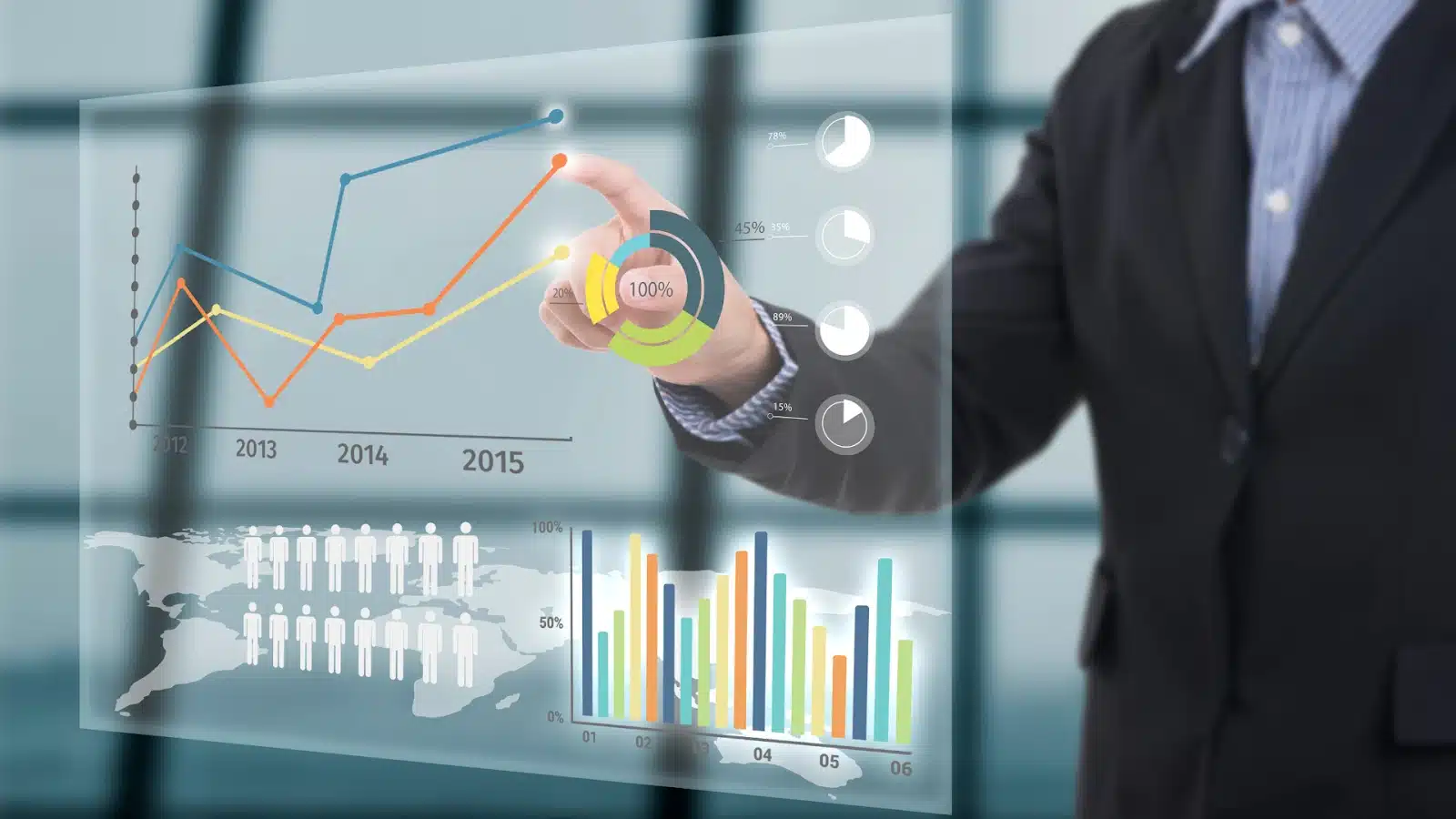
Organizations operating in competitive markets must continuously improve productivity while maintaining strategic direction. Performance-driven management systems provide structured methods to measure outcomes, align teams with organizational goals, and support sustainable business growth. These systems help companies convert strategy into measurable actions while ensuring accountability across departments.
By combining data insights, leadership alignment, and employee engagement, performance-focused frameworks enable businesses to improve operational efficiency and maintain long term competitiveness.
Understanding Performance-Driven Management Systems
Performance-driven management systems are structured approaches used to track organizational progress through clearly defined objectives, measurable indicators, and continuous evaluation.
These systems typically focus on
- Aligning departmental activities with business goals
- Measuring outcomes through performance indicators
- Monitoring progress regularly
- Encouraging accountability across teams
- Supporting continuous improvement initiatives
Organizations that implement such systems effectively create stronger connections between strategy and execution.
Why Performance Management Supports Sustainable Business Growth
Businesses grow more consistently when performance expectations are clearly defined and regularly evaluated. Performance-driven structures ensure that resources are directed toward activities that generate measurable value.
Growth benefits include
- Improved operational clarity
- Faster decision making processes
- Better coordination between departments
- Increased employee productivity levels
- Stronger financial performance monitoring
Clear performance tracking reduces uncertainty and improves organizational responsiveness.
Setting Clear Organizational Objectives
Clear objectives form the foundation of performance-driven management systems. Without defined goals, productivity efforts may become inconsistent and difficult to evaluate.
Effective objective setting includes
- Defining measurable outcomes
- Aligning goals with long term strategy
- Communicating expectations across teams
- Reviewing targets periodically
Well structured objectives help employees understand their contribution to overall business success.
Using Key Performance Indicators to Measure Progress
Key performance indicators provide measurable benchmarks that help organizations evaluate whether they are moving toward strategic goals.
Common performance indicators include
- Revenue growth trends
- Operational efficiency ratios
- Customer satisfaction scores
- Project completion timelines
- Employee productivity metrics
Tracking these indicators helps leaders identify improvement opportunities early.
Strengthening Employee Engagement Through Accountability
Employees perform more effectively when expectations are clear and progress is visible. Performance-driven systems create transparent accountability structures that support motivation and responsibility.
Engagement improves when organizations
- Provide regular performance feedback
- Recognize achievements consistently
- Offer professional development opportunities
- Encourage collaboration across departments
Engaged employees contribute directly to improved organizational performance.
Leveraging Data Analytics for Performance Monitoring
Data analytics strengthens performance management by providing accurate insights into operational trends and workforce productivity patterns.
Analytics tools support organizations by enabling
- Real time performance tracking
- Predictive trend identification
- Resource allocation optimization
- Evidence based decision making
Reliable data improves both strategic planning and day to day operations.
Aligning Leadership With Organizational Performance Goals
Leadership alignment ensures that performance expectations remain consistent across all organizational levels. When leaders communicate shared priorities, teams can execute strategies more efficiently.
Leadership alignment supports
- Clear communication of business direction
- Faster implementation of initiatives
- Consistent performance standards
- Stronger organizational culture
Unified leadership encourages stability during growth phases.
Encouraging Continuous Performance Improvement
Performance-driven systems are most effective when organizations treat improvement as an ongoing process rather than a one time initiative.
Continuous improvement strategies include
- Reviewing performance metrics regularly
- Adjusting operational processes when necessary
- Encouraging innovation across teams
- Monitoring market conditions that influence strategy
Organizations that prioritize continuous improvement remain adaptable in changing business environments.
Integrating Technology Into Performance Management Frameworks
Technology plays an essential role in modern performance management systems by improving transparency and coordination across departments.
Technology integration supports
- Automated reporting systems
- Centralized performance dashboards
- Workflow tracking platforms
- Cross departmental collaboration tools
Digital platforms improve efficiency while reducing administrative workload.
Linking Performance Systems With Organizational Strategy
Performance management systems deliver the greatest value when they reflect long term organizational priorities. Strategic alignment ensures that daily activities contribute directly to growth objectives.
Strategic alignment helps organizations
- Maintain consistent direction across teams
- Evaluate progress accurately
- Adjust strategies based on measurable results
- Strengthen competitive positioning
This connection between performance tracking and strategy supports sustainable expansion.
Overcoming Challenges in Implementing Performance-Driven Systems
Organizations may face obstacles while introducing performance-focused frameworks. Addressing these challenges early improves implementation success.
Common challenges include
- Resistance to organizational change
- Limited access to reliable performance data
- Inconsistent leadership communication
- Insufficient employee training resources
Careful planning helps organizations overcome these barriers effectively.
Frequently Asked Questions
What industries benefit most from performance-driven management systems
Performance-driven systems are valuable across industries including manufacturing, finance, healthcare, technology, retail, and professional services because they improve operational coordination and accountability.
How often should organizations review performance indicators
Many organizations review key indicators monthly or quarterly depending on operational complexity and strategic priorities.
Can performance-driven systems support remote workforce management
Yes. Digital performance dashboards and communication platforms allow organizations to monitor productivity and collaboration across distributed teams.
What role does employee training play in performance management success
Training ensures employees understand expectations, measurement standards, and improvement opportunities within performance systems.
How do performance management systems support innovation
Clear evaluation frameworks help organizations identify successful initiatives and allocate resources toward promising ideas more effectively.
Are performance-driven systems suitable for small businesses
Small businesses can benefit significantly from structured performance tracking because it improves decision making and resource utilization.
How do performance systems contribute to customer satisfaction improvement
Performance monitoring helps organizations identify service gaps quickly and implement improvements that strengthen customer experience and loyalty.