

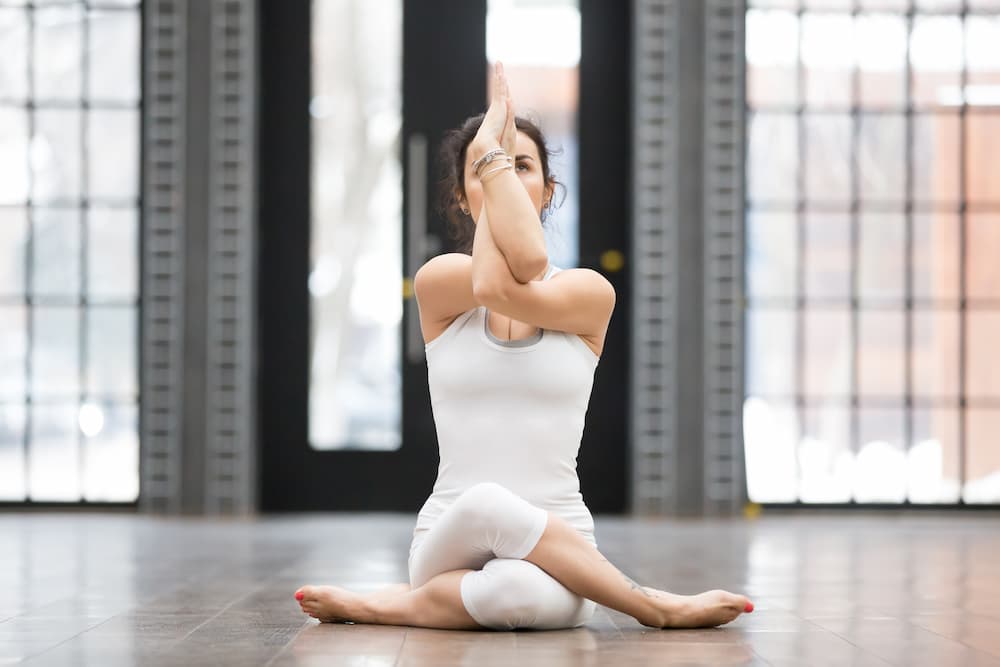
Professional life rewards speed, responsiveness, and constant mental output. People are expected to answer quickly, decide quickly, adapt quickly, and stay productive through pressure. But the body and mind cannot stay in fast mode forever. This is why hatha yoga can be valuable for professionals who need patience, focus, and better recovery from demanding workdays.
Unlike fast fitness formats, hatha yoga encourages steadiness. It asks students to hold poses, breathe, observe, and move with intention. For professionals used to rushing, this can be uncomfortable at first. But that discomfort is exactly where the value begins. The practice trains a different kind of discipline, one based on attention rather than speed.
Why Professionals Struggle to Slow Down
Many professionals spend the day in a state of urgency. Even when nothing is physically dangerous, the body reacts to deadlines, emails, meetings, and decisions as pressure. The nervous system becomes alert. The mind jumps from one task to another. The body holds tension.
Slowing down can feel difficult because the brain is used to constant stimulation. A quiet practice may initially feel boring or restless. But over time, slowing down becomes a skill.
Hatha yoga gives professionals a structured way to practice that skill.
Patience as a Business Strength
Patience is not passive. In business, patience helps people listen better, make clearer decisions, manage conflict, and avoid reactive behavior. A person who cannot pause may respond too quickly and create avoidable problems.
Hatha yoga trains patience physically. Holding a pose requires staying present without rushing to the next thing. Breathing through mild discomfort teaches the mind not to panic immediately. Moving slowly teaches control.
These experiences can transfer to work. A professional may become better at pausing before replying, listening before judging, and staying steady under pressure.
Focus Through Single-Task Attention
Modern work is full of multitasking. People switch between messages, documents, calls, and planning. This constant switching can reduce deep focus.
Hatha yoga is a single-task practice. During class, attention returns to posture, breath, and body sensation. When the mind wanders, the student brings it back.
This trains concentration. The practice may look physical, but it also develops attention control. For professionals, this is highly relevant.
Recovery From Desk-Based Fatigue
Work fatigue is not only mental. Desk posture affects the body. The shoulders tighten, the hips stiffen, the spine rounds, and the breath becomes shallow. These physical patterns add to the feeling of exhaustion.
Hatha yoga can help professionals recover from desk-based strain. Standing poses strengthen the legs and improve grounding. Twists mobilize the spine. Chest-opening movements counter rounded posture. Breathwork helps the body release tension.
This makes hatha yoga a practical recovery tool after long working days.
Why Professionals Need Non-Competitive Movement
Many professionals already live in competitive environments. They compare performance, chase targets, manage expectations, and solve problems. A fitness routine that feels equally competitive may not always support recovery.
Hatha yoga gives the body a disciplined practice without requiring comparison. Students can work at their own level. The goal is not to outperform others. The goal is to practice with awareness.
This non-competitive structure can be mentally refreshing for people who spend much of their life measuring outcomes.
Better Breathing During Pressure
Pressure often changes breathing. A professional may hold the breath during a difficult email, breathe shallowly during a presentation, or tense the chest during a stressful meeting.
Hatha yoga teaches breath awareness during effort. Students learn to stay with the breath while holding poses. This can become useful at work.
Before a meeting, a steady breath can help the body settle. During conflict, awareness of breathing can reduce reactivity. Before sleep, slower breathing can help shift out of work mode.
The Role of Routine
Recovery is most effective when it is planned. Many professionals wait until they feel exhausted before caring for the body. A weekly hatha yoga class can become a recovery appointment.
This helps prevent stress from accumulating unchecked. The class becomes a predictable space for movement, breath, and reflection.
Routine matters because professionals often protect work meetings more than health habits. Scheduling yoga creates a healthier priority.
Hatha Yoga and Leadership Presence
Leadership presence is not only about speaking skills. It is also about calmness, posture, listening, and the ability to stay grounded. Hatha yoga can support these qualities indirectly.
A person who stands with better alignment, breathes more steadily, and reacts less impulsively may appear more composed. This can influence how they lead, communicate, and handle pressure.
The practice does not teach business strategy, but it supports the body and mind behind professional behavior.
Making It Practical for Busy Schedules
Professionals do not need to practice daily to benefit. One or two classes per week can make a difference if practiced consistently. Short breathing or stretching habits between classes can support the routine.
The key is to choose class times that fit real life. A routine that requires too much effort to maintain will fade.
Hatha yoga works well because it can be practiced as a steady anchor in a busy schedule.
A Smarter Recovery Habit for Work Life
Work demands are unlikely to disappear. Professionals need recovery practices that help them stay sustainable. Hatha yoga offers movement, breath, patience, and focus in one structured format.
For professionals in Singapore seeking a more grounded approach to wellness, Yoga Edition can be part of a practical routine that supports better recovery, mental clarity, and work-life balance.
FAQs
Can hatha yoga help before a high-pressure presentation?
It can help if practiced at the right time. A gentle session the day before may calm the body. Avoid trying a very challenging new class right before a presentation because soreness or fatigue could distract you.
How can busy professionals avoid skipping yoga every week?
Treat the class like a fixed meeting. Choose a time that does not depend on perfect workdays. If evening meetings often happen, a weekend or morning class may be more realistic.
Is hatha yoga useful for people who already meditate?
Yes. It can support meditation by reducing physical restlessness. Many people sit more comfortably and breathe more easily after movement-based practice.